 📦 Due to high demand, shipping may take longer than expected. Thanks for your patience!
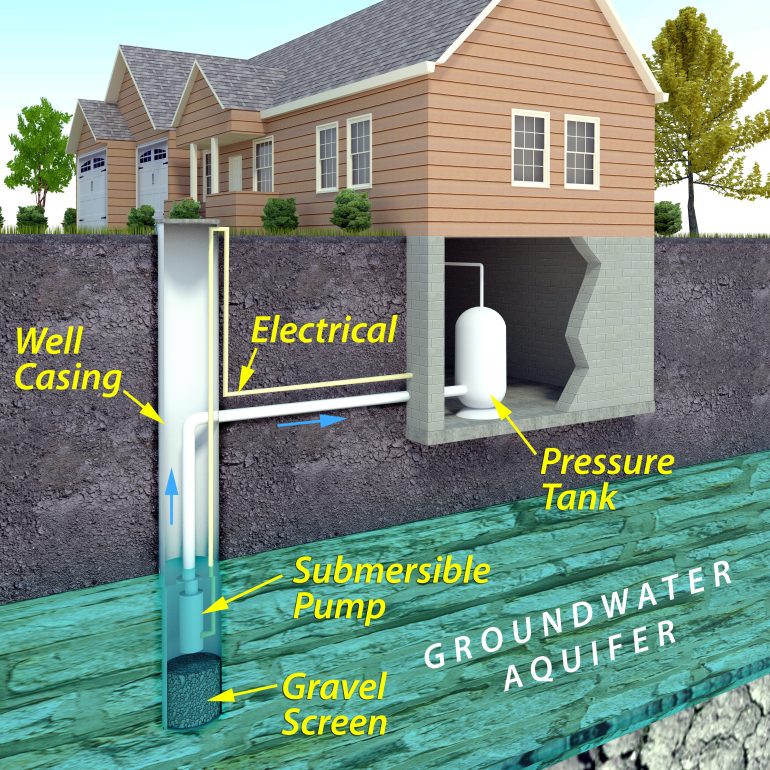
As clean as well water might seem, it can still contain harmful contaminants like PFAS, or per- and polyfluoroalkyl substances. PFAS are often called “forever chemicals” because they don’t break down easily, which means they can linger in the environment for generations. When consumed over time, they can accumulate in the body and cause a range of health issues. Unfortunately, several of these toxic, man-made compounds have quietly infiltrated drinking water wells serving many US households.
If your drinking water comes from a private well, it is important to understand the risk of PFAS contamination and how to mitigate it. This guide explores the potential health effects of PFAS exposure and the best solution to keep forever chemicals at bay and your family safe.
The Prevalence of PFAS in Private Well Water
The U.S Geological Survey (USGS) estimates that about 71 to 95 million people in the Lower 48 states may rely on PFAS-contaminated groundwater used by public water systems and private wells. In a 2025 study, researchers found that nearly half of private rural wells tested in four states—Washington, Minnesota, Indiana, and North Carolina—contained at least one PFAS at levels above health-based guidelines. Among the chemicals detected were PFOA, PFOS, PFNA, HFPO–DA, and PFHxS.
How Do PFAS Get into Drinking Water Wells?
Forever chemicals often make their way into drinking water wells when they are released into the environment from sources, such as:
- PFAS-related industrial plants
- firefighting foam (AFFF) used on military bases and airports
- landfills and incinerators where PFAS-containing products are discarded
- farmfields and gardens where biosolids/sewage sludge are applied
Because PFAS are so persistent, they can move seamlessly through soil and seep into groundwater that feeds many residential wells. They can also travel long distances through air and water, and contaminate well water systems miles from the source. Once these forever chemicals enter the environment, they do not degrade easily and can stick around in soil, water, and air for decades.
Why Private Well Users Are Especially At Risk of PFAS Exposure
Unlike tap water from a public utility, private well water is not regulated by the federal government, nor by most state agencies. This means private well owners are responsible for monitoring, testing, and treating their water to ensure it is safe to use and consume. The Centers for Disease Control and Prevention (CDC) recommends testing private wells at least once every year. However, research shows that fewer than one-third of private well owners follow this advice, and fewer than half have tested their wells in the last decade. Due to gaps in testing and subsequent treatment, many private well users unknowingly consume water contaminated with PFAS and other harmful contaminants.
What are the Health Risks From PFAS Exposure?
Forever chemicals can be extremely dangerous to human health. The Environmental Protection Agency (EPA) notes that studies have linked PFAS exposure to a growing list of negative health outcomes, including:
- Higher risk of some cancers, including prostate, kidney, liver, and testicular cancers
- Reproductive problems, such as decreased fertility and high blood pressure during pregnancy
- Weakened immune response, including reduced response to vaccines
- Higher cholesterol levels and a possible higher risk of obesity
- Disruption of the body’s natural hormones
- Developmental effects or delays in children, such as low birth weight, early puberty, bone changes, or behavior issues
PFAS are particularly harmful to children, who receive higher doses because they drink more water per body weight and whose bodies are still developing. In fact, recent research found that babies in the womb are exposed to a wider and complex mix of forever chemicals than scientists previously thought. In a National Health and Nutrition Examination Survey by the CDC, PFAS were detected in breast milk, umbilical cord blood, or blood samples from 99 percent of participants.
How to Tell if Your Well Water Contains PFAS
Without a lab test, it is nearly impossible to know if PFAS are lurking in your well water supply. These chemicals have no color, taste, or smell, so your water can appear clean and still be contaminated. While many at-home water testing kits can detect PFAS in water, experts often advise having your water tested professionally for a more accurate and complete scope of its quality and safety. Professional water testing typically involves purchasing a water test kit and mailing in a sample from your tap to a state-certified laboratory.
Discover 10 common problems a water test can detect in tap water.
How to Reduce Exposure to PFAS in Private Well Water
The best way to ensure your well water is clean and free from harmful forever chemicals is to use a home water filter certified to remove them. For example, SpringWell’s PFAS Water Filter System reduces PFAS like PFOA, PFOS, and GenX to undetectable levels, reducing you and your family’s exposure to the chemicals. The system’s ATOMUS PF8 media can absorb 25 times more PFAS than standard carbon or ion-exchange filters and does not require frequent backwashing or maintenance. Each cartridge can treat up to 350,000 gallons of water before needing replacement and is certified to NSF/ANSI 53, 61, and 372 for proven performance and material safety.
Tips for Keeping Your Well Water Safe
Beyond filtration, the Environmental Working Group (EWG) recommends several other practical steps to protect your well water supply from contamination:
- Test your well water annually. Without a test, you won’t know what contaminants may be present.
- Watch for possible contamination sources near your well, such as septic tanks, spills, livestock operations, or farms.
- Check your well system and equipment monthly for issues like cracks, rust, or a damaged or missing well cap. Keep records of all testing and maintenance.
- Hire a certified well driller or plumber if making modifications or repairs to your well system.
- Have your well professionally inspected and cleaned after a flood, and do not turn on the pump until the well has been inspected.
Learn what to know when buying a house with a well system.
Key Takeaways for Private Well Owners
Owning a private well means you are solely responsible for ensuring the quality and safety of your water supply. Contaminants like PFAS can go undetected and cause major health harms when consumed, so it is important to test your water professionally to confirm their presence. Then, you can install a certified PFAS water filter system to reduce toxic forever chemicals in your well water or a suitable well water treatment system that targets other potentially harmful contaminants.
If you need help choosing the ideal solution for your water situation, budget, and your home’s unique needs, call us at 800-589-5592 or schedule a free water consultation to speak to one of our water quality experts.
