How to Protect Your Whole Home Filtration System from Freezing Temperatures
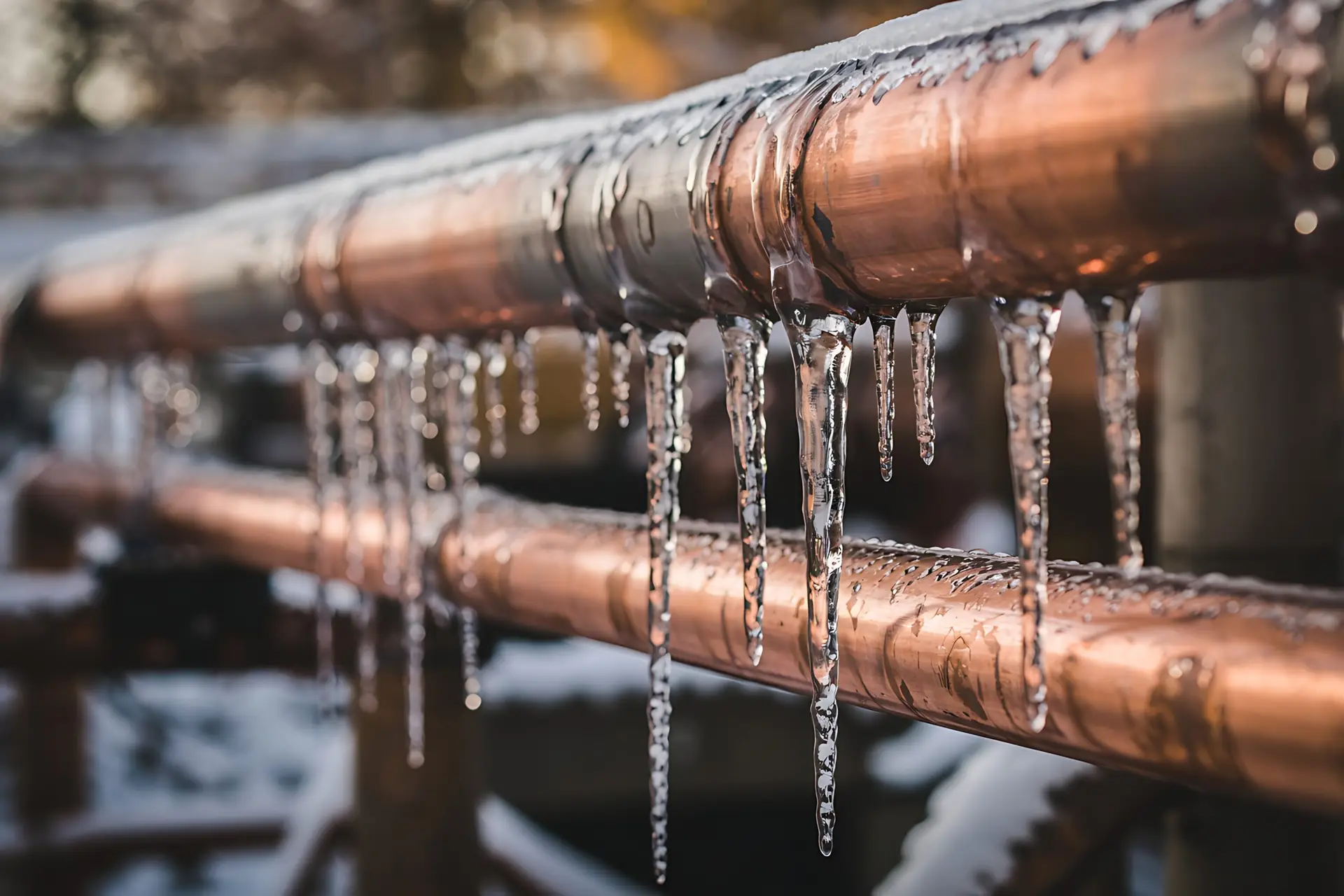
Cold weather can be tough on water filtration systems, especially when water is sitting inside housings, pipes, or exposed lines. Freezing temperatures can cause filter housings to crack, fittings to burst, and system failures that often aren’t discovered until temperatures rise again.
Fortunately, freeze-related damage is largely preventable. With the right combination of insulation, placement, and cold-weather safeguards, filtration systems can continue to operate reliably through winter conditions. Below is a practical, proven approach to protecting filtration equipment in cold climates.
1.Insulate Every Component That Holds Water
- Wrap filter housings, pipes, and valves with foam pipe insulation or insulation blankets
- Focus on inlet and outlet lines, elbows, and exposed fittings
- Seal seams and gaps with weatherproof tape to limit cold air infiltration
2.Shield the System from Wind
- Wind chill accelerates freezing even when air temperatures are only slightly below freezing
- Use a wind barrier or enclosure such as an insulated cabinet, utility box, or framed cover
- For outdoor installations, orient openings away from prevailing winds whenever possible
3.Add Supplemental Heat When Necessary
- Thermostatically controlled heat tape can be used on pipes for targeted freeze protection
- In enclosed spaces, a low-wattage utility heater or incandescent bulb can help maintain safe temperatures
- Heat tape should never overlap itself, as this creates a fire hazard
4.Drain the System When Exposure Is Unavoidable
- If freezing temperatures are expected and insulation or heat protection isn’t feasible:
- Shut off the water supply
- Relieve pressure from the system
- Fully drain filter housings and plumbing lines
- This approach is especially effective for systems that are seasonal or not in continuous use.
5.Keep Water Moving During Short Cold Events
- Flowing water freezes more slowly than standing water
- During brief cold snaps, maintaining minimal flow such as allowing faucets to drip can help reduce freeze risk
- This should be considered a temporary measure rather than a long-term solution
6.Install in a Protected Location Whenever Possible
- Climate-controlled areas such as garages, basements, or insulated utility rooms provide the best protection
- For outdoor installations, elevate systems off the ground and avoid shaded low areas where cold air settles
7.Monitor Temperatures Proactively
- Temperature sensors or freeze alarms can provide early warning before freezing occurs
- Monitoring is especially useful for systems installed outdoors or in unconditioned spaces
8.Inspect the System After Freezing Conditions
- Examine filter housings for cracks, including small or hairline fractures
- Inspect fittings, seals, and O-rings before bringing the system back to pressure
- Any housing that has frozen should be replaced, even if damage is not immediately visible
Added Protection With SpringWell Neoprene Filter Jackets
SpringWell neoprene filter jackets provide an extra layer of protection for filtration housings, helping shield systems from environmental exposure and everyday wear. Designed to fit cleanly over filter housings, these jackets add insulation, reduce direct exposure to the elements, and help maintain more consistent operating conditions.
Neoprene offers a durable, streamlined alternative to improvised wraps or bulky enclosures. It helps protect housings in outdoor installations or challenging environments where added coverage is beneficial, while maintaining a clean, professional appearance and easy access for maintenance.