What The 2026 Glyphosate Order Could Mean for Your Water & Health
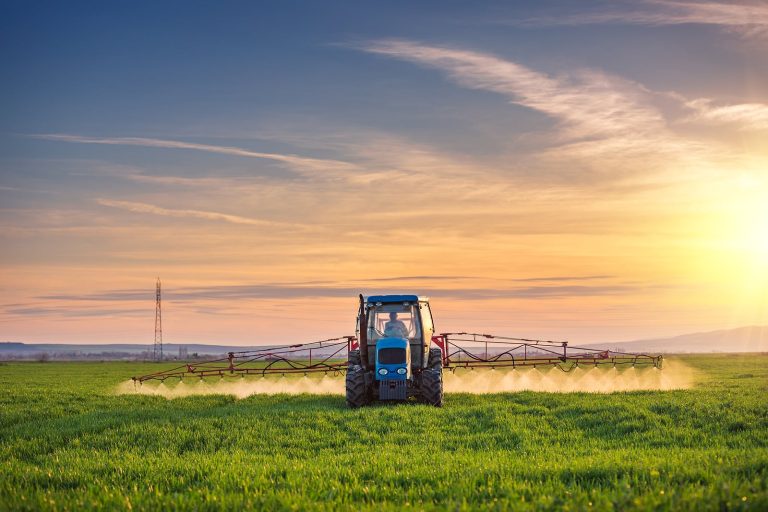
For decades, Roundup weedkiller has been advertised as nontoxic and safe. Then over time, research linked its main ingredient glyphosate to a host of human health risks, including cancer. Despite this, nearly 300 million pounds of glyphosate are applied to U.S. farmlands each year. But that number could increase following an executive order to boost domestic production of glyphosate-based herbicides.
This article explores what this move could mean for your drinking water and health, and how you can reduce glyphosate exposure through your tap.
What is Glyphosate?
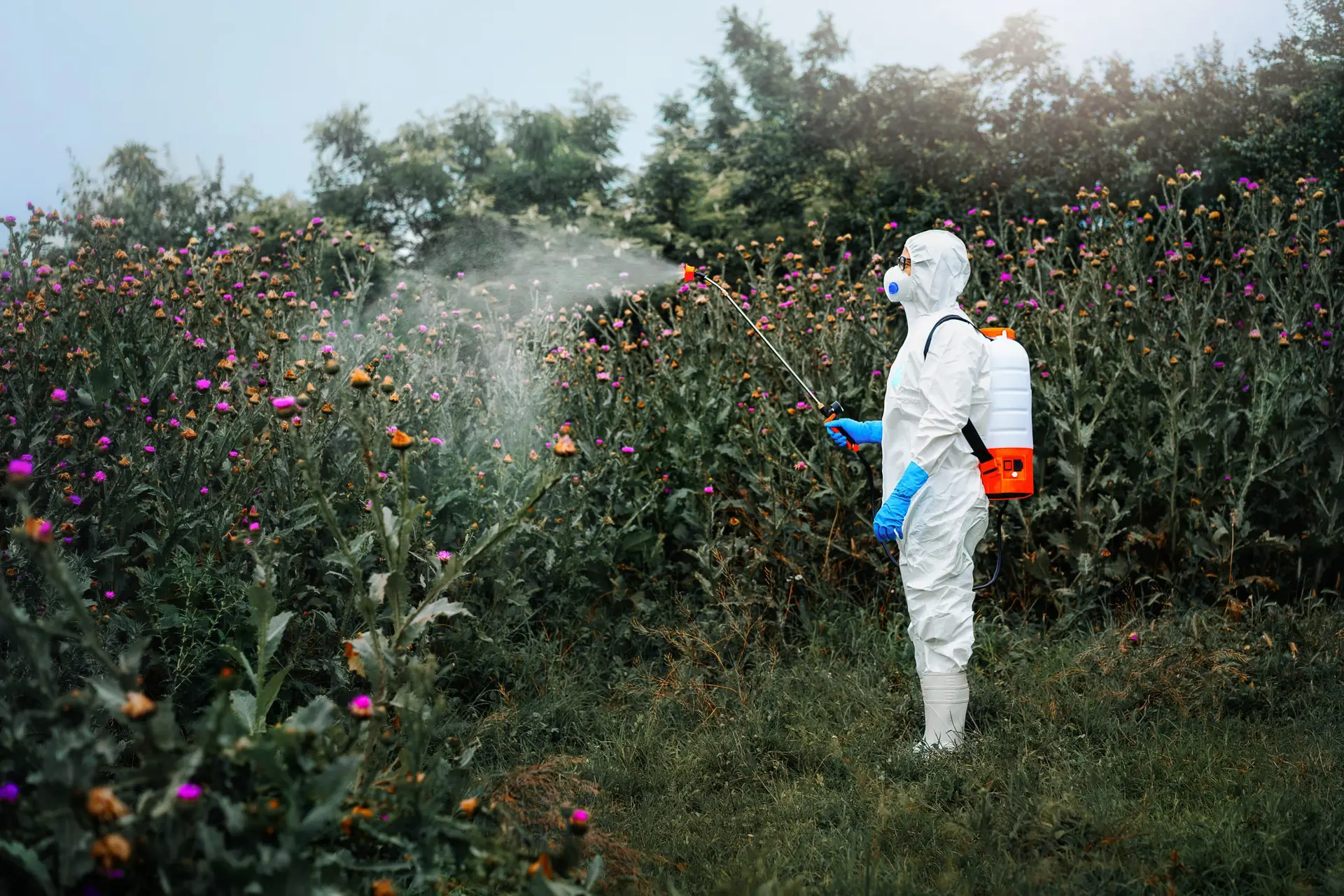
Glyphosate is a herbicide used to control certain weeds, grasses, and other unwanted vegetation. It is the active ingredient in common weed-killers like Roundup. Glyphosate was first manufactured in 1950 and then patented as a herbicide in 1971. It was introduced to the U.S. consumer market in 1974 and is now one of the most widely and heavily used weed-killing products in the U.S. and the world. Glyphosate works by blocking an enzyme in the target plants that affects their metabolism and growth. “People apply it in agriculture and forestry, on lawns and gardens, and for weeds in industrial areas. Some products containing glyphosate control aquatic plants,” the National Pesticide Information Center (NPIC) notes.
The Executive Order on Glyphosate and Why it Matters
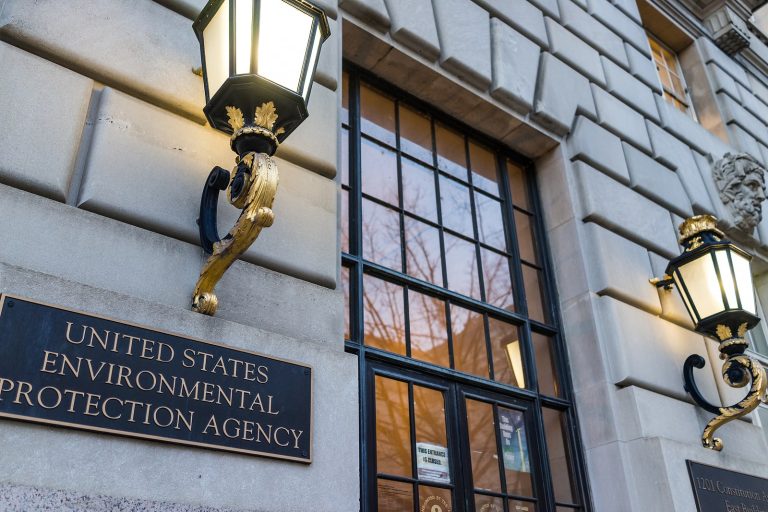
On February 18, 2026, President Donald Trump issued an executive order seeking to ramp up domestic production of glyphosate to ensure the country “has a continued and adequate supply.” The order states that glyphosate-based herbicides “play a critical role in maintaining America’s agricultural advantage by enabling farmers to efficiently and cost-effectively produce food and livestock feed.” It further claims that lessening access to these products “would critically jeopardize agricultural productivity.”
The move has raised concerns among some health advocates and public health organizations, who warn that greater glyphosate production could mean more of the pesticide in drinking water sources. Notably, glyphosate has been detected in 94% of streams and rivers across various land-use settings.
How Does Glyphosate Get into Drinking Water?
Every year, millions of pounds of glyphosate are applied to land surfaces, from farm fields to parks, pavements, and playgrounds. But the chemical doesn’t always remain where it’s sprayed. When it rains or floods, for instance, runoff or erosion can carry glyphosate-tainted soil into rivers, lakes, and streams, including those that municipal systems use to source drinking water. The herbicide can also soak into the soil and seep into the surrounding groundwater that feeds well systems. City water users without a suitable home water treatment system may have traces of glyphosate in their drinking water if municipalities fail to filter the water properly. Unregulated private wells may contain higher concentrations of the chemical due to the possible lack of well water testing and treatment.
Discover how widespread & dangerous pesticides are in U.S. drinking water.
What are the Human Health Risks of Glyphosate Exposure?
A growing body of research has linked glyphosate exposure in humans to serious health conditions and complications, including:
- oxidative stress
- changes in the gut microbiome
- hormonal imbalances
- neurological disorders, including Parkinson’s, Alzheimer’s, and autism spectrum disorder
- various cancers, including non-Hodgkin lymphoma (NHL), a cancer of the immune system, and multiple myeloma (MM), a cancer of the blood plasma cells.
Research also found that glyphosate ingestion may disrupt endocrine function, causing adverse reproductive health effects. A first-of-its-kind study also associated Roundup with fatty liver and metabolic disease in children, which can be precursors for more serious conditions, including stroke and diabetes, research also shows. Furthermore, animal studies suggest that glyphosate may impair fetal development, leading to reduced infant body weight and skeletal changes.
What is an Acceptable Level of Glyphosate in U.S. Drinking Water?
In the United States, glyphosate is regulated under the Safe Drinking Water Act (SDWA). The U.S. Environmental Protection Agency (EPA) has set a maximum contaminant level (MCL) of 0.7 mg/L (or 700 parts per billion, ppb) for the herbicide in drinking water. However, some states adopt stricter “glyphosate safe limits” for drinking water. For instance, Minnesota proposes a limit of 0.5 mg/L (500 ppb). You can check with your state to see what local recommendations or regulations are in place.
Is Glyphosate in Your Water Supply? Here’s How to Find Out
Because pure glyphosate has no taste, odor, or color, you can’t rely on your senses to detect it in water. Having the water tested professionally is the only way to determine whether it contains the herbicide. Professional water testing typically involves purchasing a water test kit and submitting a sample to a state-certified laboratory in your area. If your water comes from a public utility, you can also review your latest annual Consumer Confidence Report (CCR), also called a water quality report. This document outlines all detected contaminants and whether they exceed EPA limits. It may be available on your local utility’s website or via the EPA’s CCR search tool.
Discover 10 common problems a water test can detect in tap water and learn how to read your water quality report.
How to Remove Glyphosate from Drinking Water
The best way to guard against pesticides like glyphosate in drinking water is to use a home water treatment system designed to remove them. Among the tested water treatment methods, reverse osmosis and activated carbon filtration are the top options.
Reverse Osmosis Filtration
Reverse osmosis (RO) water filters have proven highly effective at reducing glyphosate in drinking water. RO systems use pressure to push water through a semi-permeable membrane. This membrane blocks microscopic contaminants like glyphosate and only lets clean water through to the faucet. With its ultra-fine pores, research shows that the RO membrane can remove up to 100% of pesticides from water.
If you’re looking for a top-rated RO system for your home, Moen’s Reverse Osmosis Water Filtration System offers the filtration you need for crisp, clean purified tap water for you and your family. Installed under your kitchen sink, this point-of-use system uses a four-stage process to reduce glyphosate and other toxic contaminants in your cold tap water. A pre-filter removes larger particles, such as sediment; the RO membrane captures tiny pollutants; and a final post-filter improves taste and clarity.
Learn more about how reverse osmosis water filtration works.
Activated Carbon Filtration
Activated carbon filters are also among the most effective ways to remove glyphosate from tap water. Coconut shell activated carbon—like what’s used in SpringWell’s Whole-House Filtration Systems—can remove up to 98% of the herbicide through adsorption. As water flows through the carbon membrane, it traps glyphosate molecules on its large, porous surface, allowing only filtered water to pass through. Carbon filtration also removes a wide range of drinking water contaminants and helps improve the taste, odor, and clarity of your water.
Learn what activated carbon filters are and what they remove from water.
Key Takeaways
With the new executive order pushing for greater U.S. glyphosate production, some groups have raised questions about the possible impacts on drinking water quality and public health. Glyphosate has been detected in the country’s waterways, and some studies have linked exposure to a range of health conditions, from hormonal and neurological disorders to various cancers. The good news is that you can reduce your exposure to this potentially toxic herbicide by testing your water and filtering it with a reverse osmosis water filter or an activated carbon filtration system.
If you need help deciding on the right treatment option for your home’s unique needs, call SpringWell at 800-589-5592 or schedule a free consultation call to get personal expert advice.